Table of contents
Discover the ancient practice that blends tradition with wellness: traditional wood therapy. This technique, rooted in centuries-old customs, is gaining renewed attention for its distinctive approach to holistic health. Unlock the secrets of how this natural method could elevate your well-being and invite a sense of balance, making the following sections a must-read for anyone interested in unique self-care.
Origins of wood therapy
Traditional wood therapy, also known as maderotherapy, finds its origins in ancient healing rituals across diverse cultures, particularly within Asia and South America. These manual natural techniques were initially practiced by indigenous communities who harnessed the therapeutic properties of specially crafted wooden instruments to promote holistic wellness and bodily balance. Deeply rooted in cultural traditions, wood therapy was often integrated with herbal remedies, energy work, and massage, forming a comprehensive approach to health. The continuity of these ancient methods into modern times demonstrates their enduring appeal and perceived efficacy in addressing both physical and energetic imbalances.
Over time, traditional wood therapy evolved as practitioners refined tools and techniques to better suit different needs, blending ancestral knowledge with contemporary wellness trends. Today, maderotherapy is valued not only for its historical significance but also for its adaptability within spas, wellness centers, and alternative medicine practices worldwide. The resurgence of interest in holistic wellness has contributed to the preservation and popularization of these cultural traditions, allowing individuals to experience physical relaxation, improved circulation, and natural body contouring through time-honored manual therapies that continue to inspire trust and curiosity.
How wood therapy works
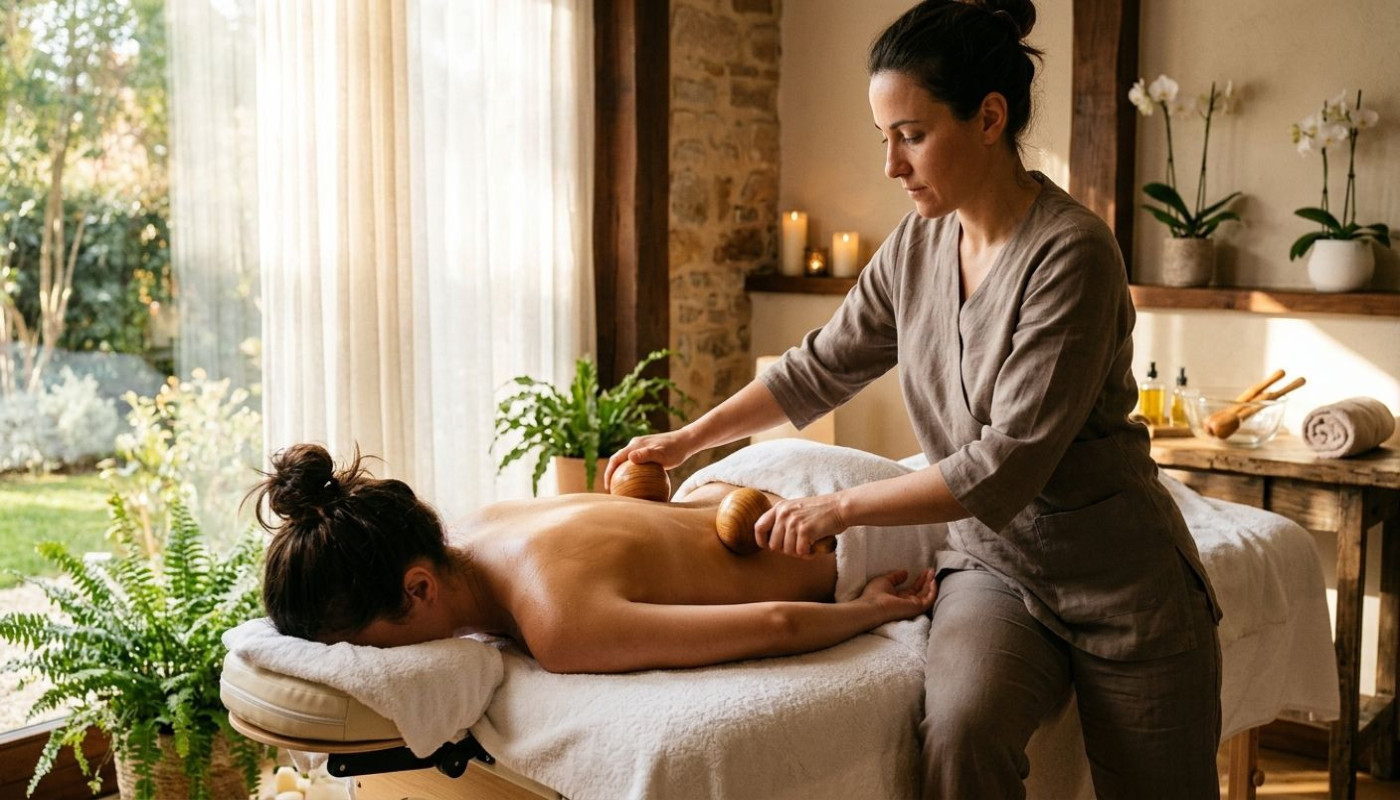
Wood therapy functions through the application of specialized wooden massage tools, each meticulously crafted to target distinct areas and concerns of the body. These tools, including rollers, cups, and contouring sticks, are designed for various techniques that stimulate deeper layers of tissue. The process involves rhythmic, deliberate movements across the skin, channeling pressure to specific pressure points and muscle groups. This technique, rooted in myofascial release, helps break down tension in the fascia — the connective tissue surrounding muscles — and provides a non-invasive approach for both body sculpting and relaxation.
One of the primary wood therapy benefits is its support for enhanced circulation and lymphatic drainage. As wooden massage tools glide along the body, they stimulate blood flow and encourage the movement of lymph, which assists in eliminating toxins and reducing localized fluid retention. This process not only helps in diminishing the appearance of cellulite but also revitalizes the skin’s overall tone and texture. By focusing on both superficial and deeper tissues, wood therapy promotes healing and recovery in the muscular system while also nurturing the body’s natural detoxification pathways.
Effective wood therapy requires skilled application, typically performed by a licensed massage therapist with expertise in holistic modalities. Their understanding of anatomy and pressure points enables an individualized approach that maximizes results. The manual therapy provided by wood tools is known for its ability to sculpt and contour, targeting stubborn areas that may not respond to conventional massage. Regular sessions contribute to improved flexibility, reduction of muscle soreness, and a heightened sense of well-being, making wood therapy a sought-after modality for those interested in natural, non-invasive body care methods.
Unique health benefits
Traditional wood therapy offers a diverse array of health benefits, making it an increasingly popular choice for those seeking natural and holistic wellness solutions. One of the most appealing health benefits of wood therapy is its ability to target adipose tissue, which can help reduce cellulite and support natural body contouring. Through specialized wooden tools and carefully designed movements, this therapeutic massage technique works to stimulate the lymphatic system, improve circulation, and release muscle tension. Enhanced blood flow and oxygenation to the skin and underlying tissues can also contribute to improved skin elasticity, giving the body a firmer and more toned appearance.
Clinical observations and preliminary scientific studies provide a foundation for the therapeutic claims associated with wood therapy. Research in the field of complementary and alternative medicine suggests that regular sessions can lead to noticeable reductions in muscle soreness and chronic tension, as well as improved relaxation and stress management. As a non-invasive and drug-free practice, wood therapy appeals to those looking for sustainable health and wellness options. The natural stimulation of body systems through therapeutic massage not only promotes detoxification but may also enhance the body's innate healing processes, reinforcing its reputation as a holistic approach to improving both physical and mental well-being.
Comparing with other therapies
When examining the unique benefits of traditional wood therapy, it is helpful to conduct a bodywork comparison against other popular modalities such as deep tissue massage and cupping. Unlike deep tissue massage, which relies on manual pressure to target muscle layers, or cupping, which uses suction to stimulate circulation, wood therapy employs specially crafted wooden instruments to contour, tone, and stimulate lymphatic drainage. This approach stands out among alternative therapies due to its focus on non-invasive techniques and mechanical manipulation, making it a preferred choice for those seeking holistic treatments that do not involve direct hand pressure or skin bruising, often associated with cupping. Integrative health specialists often recommend wood therapy in cases where somatic therapy is indicated for both physical and aesthetic benefits, such as reducing cellulite or facilitating detoxification, while minimizing discomfort during sessions.
The choice between wood therapy vs massage depends on individual needs, desired outcomes, and sensitivity to touch. While deep tissue massage excels at addressing chronic muscular tension, wood therapy’s mechanical approach can be gentler and especially effective for stimulating the lymphatic system. Those interested in promoting overall well-being might explore lymphatic massage in bangkok as another non-invasive option, sharing a similar aim to wood therapy in supporting detoxification and fluid balance. When selecting between these holistic treatments, consulting an integrative health specialist familiar with multiple somatic therapy options ensures the most suitable and personalized care plan.
Integrating wood therapy at home
Enthusiasts seeking to enhance their wellness routine with at-home wood therapy can begin by carefully selecting self-massage tools crafted from sustainably sourced, smooth hardwoods that are free from splinters or rough surfaces. High-quality materials not only improve durability but also support safe wood therapy by minimizing the risk of skin irritation or injury. When incorporating these tools, start with simple movements, such as rolling techniques along major muscle groups, while paying attention to proprioceptive feedback—your body’s intuitive awareness of movement and position. This helps users recognize appropriate pressure and adjust techniques for comfort and effectiveness.
Before practicing DIY body sculpting, clean and inspect tools to ensure hygiene and structural integrity. Focus on gentle, rhythmic motions, avoiding bony areas or sensitive regions to prevent bruising. Learning from certified holistic health coaches, either through workshops or reputable online resources, can offer guidance on safe practices and correct technique. As part of a broader wellness routine, integrating daily or weekly wood therapy sessions may support relaxation, boost circulation, and promote mindful self-care. Always listen to your body, start slowly, and consult with a health professional if there is any doubt about suitability for individual health needs.
Similar articles

Exploring The Rise Of Tobacco-Free Snus Alternatives

Boost Your Self-esteem: The Health Benefits of Seeing Yourself as a Work of Art
